There are two types of techniques that help to enter the Phase: Separation Techniques and Indirect Techniques.
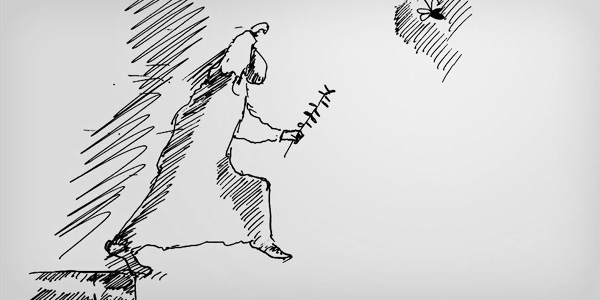
Separation Techniques are used to encourage a separation from the physical body and help to enter the Phase. Indirect Techniques are used to encourage some sensations (see below) that, when intensified, can put the human mind into a state that is ready for separation. It is a good idea to practice these techniques during the day; you will feel no effect but it will train your mind.
This sections describes a variety of separation and indirect techniques. Learn how to apply them for the Indirect Method or the Direct Method.
Separation Techniques
Separation techniques are performed immediately upon waking. They are carried out by giving yourself a mental order, without any physical movement.
1. Getting up. Attempt to get out of bed as you normally do.
2. Rolling out. Attempt to roll out of bed. Do not worry about actually falling, just roll out.
3. Flying up. Attempt to fly up right from where you are. Do not worry about how to do it; we all fly in our dreams.
Indirect Techniques
If separation techniques fail, then 3 cycles of 3 indirect techniques are performed for 5 seconds each. Once any technique starts working, it needs to be intensified and then a separation attempt should be made. If nothing happens after 5 seconds, move on to the next technique.
1. Rotation. Imagine that you are rotating around your vertical axis. Once it feels like actual rotation, try to separate or get out of your body through the top of your head.
2. Phantom wiggling. Try to wiggle your arm or leg without actually moving it. Do not use muscles, just give a mental order to your arm, for example, to move up and down. When the movement starts feeling real, separate starting from the arm/leg you are waving. Pull yourself out of your body if needed.
3. Observing images.
With your eyes closed, look at the blank space before your eyes and try to see an image. If you see anything, keep looking at it but do not focus on the details. Once the image becomes more and more vivid and real, try to separate or let yourself be pulled into the image itself.
4. Attentive Listening.
With your eyes closed, try to hear a noise in your head. The noise should become louder and louder. Once intensified, the noise will sound like an airplane taking off right above your head (quite scary). Once the noise is loud, try to separate.
5. Swimming.
Imagine as vividly as possible that you are swimming or simply making swimming motions with your arms. Try to feel it no matter what and as vividly as you can. If you begin to feel the sensation of swimming, intensify it until you feel like you are in the water (already in the Phase) or until it feels so real that it is time to separate.
6. Hand Visualization.
Without any movements, attempt to visualize your hands about 10 cm (4 or 5 inches) in front of your eyes. Imagine that your hands are rubbing against each other. If you start to see them and the image becomes clear and vivid, attempt to separate. This technique differs from observing images in the sense that you do not wait for an image to appear but proactively visualize your hands in front of your eyes.
Based on The Phase. A Practical Guidebook. by Michael Raduga.